medium carbon steel grades list Grade designations for sheet metals
Did you know that steel is one of the most versatile and widely used materials in the world? Not only is it known for its strength and durability, but it also has a wide range of properties that make it suitable for various applications. Today, we will explore some interesting facts about steel and delve into its fascinating properties.
The Power of Steel

But what gives steel this remarkable strength? It’s all about its chemical composition. Steel is primarily composed of iron and carbon, with small amounts of other elements. The carbon content plays a crucial role in determining its strength and other properties. Generally, higher carbon content leads to greater strength and hardness, while lower carbon content results in increased ductility and flexibility.
Exploring Steel Properties
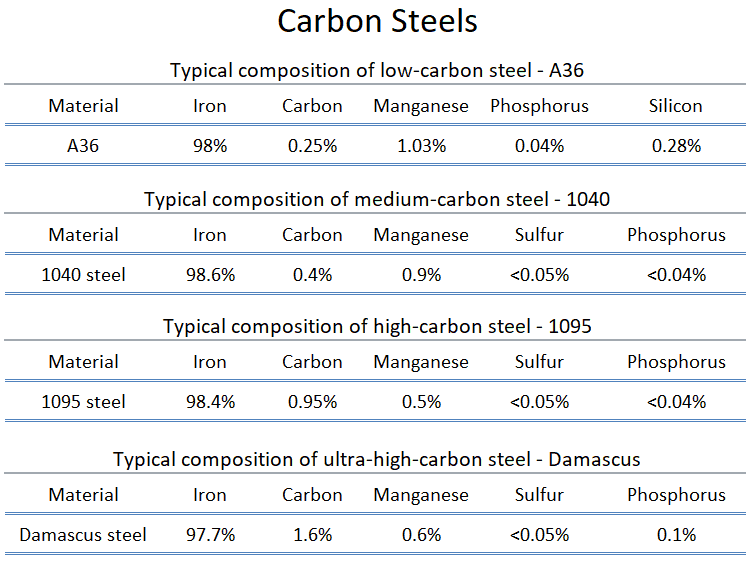 Steel possesses numerous properties that make it an attractive choice for a wide range of applications:
1. Corrosion Resistance
One of the most significant advantages of steel is its excellent corrosion resistance. Various alloying elements, such as chromium and nickel, are added to impart this property. Stainless steel, for example, contains a minimum of 10.5% chromium, which forms a passive layer on the surface, protecting it from rust and corrosion.
2. Thermal Conductivity
Steel is a good conductor of heat, allowing it to distribute and transfer thermal energy efficiently. This property is particularly beneficial in applications that involve heat transfer, such as cookware, automotive engines, and heat exchangers.
3. Electrical Conductivity
While not as conductive as copper or aluminum, steel still possesses reasonable electrical conductivity. It finds application in various electrical components, such as transformers, power lines, and electrical appliances.
4. Magnetic Properties
Unlike other materials, steel is magnetic, thanks to its iron content. This property makes it useful in industries that require magnetic properties, such as electronics, automotive, and construction.
5. Weldability
Steel is highly weldable, allowing for easy joining and fabrication. This property makes it a preferred material for manufacturing welded structures and components.
These are just a few examples of the fascinating properties of steel. Its versatility and wide range of applications make it a crucial material in the modern world. From construction to automotive, steel plays a vital role in shaping our society.
In Conclusion
Next time you come across a steel structure, take a moment to appreciate the incredible properties of this remarkable material. Its strength, corrosion resistance, thermal and electrical conductivity, magnetic properties, and weldability make it a true powerhouse of the industrial world. Without steel, our modern infrastructure and technological advancements would not be possible.
If you are searching about Different Steel Types and Properties you’ve visit to the right place. We have 5 Images about Different Steel Types and Properties like Metal Grade Carbon Steel Grades Chart - slideshare, 41 STEEL 20 MATERIAL PROPERTIES - * Materials and also Metal Grade Carbon Steel Grades Chart - slideshare. Here it is:
Different Steel Types And Properties
:max_bytes(150000):strip_icc()/export-jJHGn-5be075fbc9e77c00516c9b1d.png) www.thoughtco.comgrades steels
www.thoughtco.comgrades steels
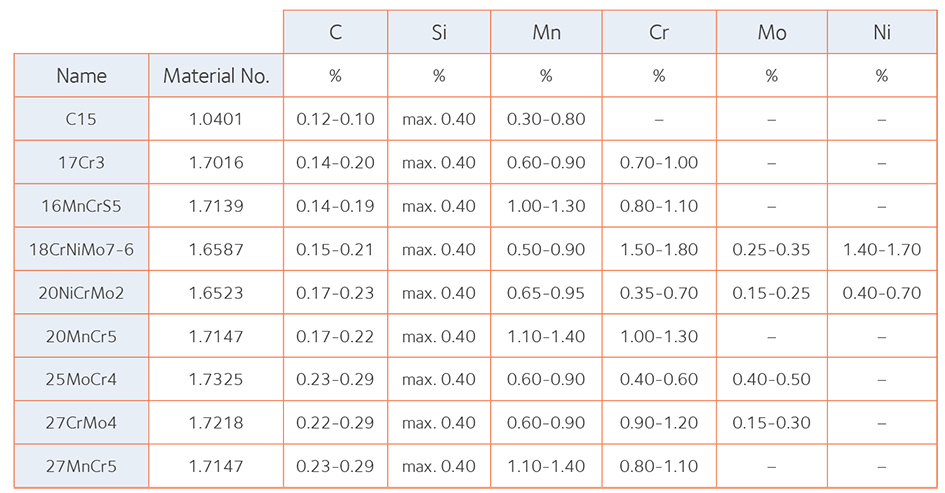
41 STEEL 20 MATERIAL PROPERTIES - * Materials
Metal Grade Carbon Steel Grades Chart - Slideshare
 slidesharenow.blogspot.comgrades forging
Steels - Properties Of Steels | Nuclear-power.com
www.nuclear-power.comsteels mild alloys metals cons
Grade Designations For Sheet Metals - The Fabricator
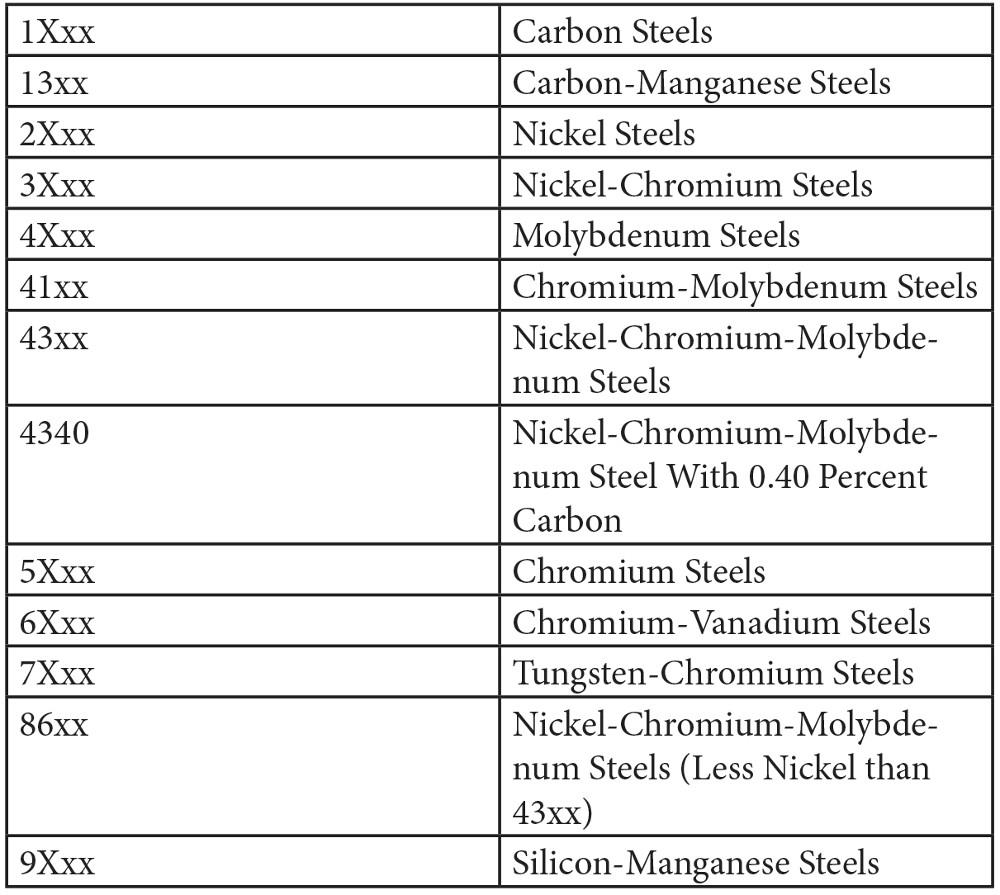 www.thefabricator.comdesignations alloy steels alloys naming convention digit thefabricator
Metal grade carbon steel grades chart. Grades forging. Grades steels