can atkins cause diarrhea Diarrhea pathophysiology treatment secretory definition management
Chronic diarrhea is a common condition that can have significant consequences on a person’s overall health. It is characterized by the frequent passage of loose, watery stools that persist for more than four weeks. While occasional bouts of diarrhea are usually harmless and resolve on their own, chronic diarrhea requires medical attention to identify and address the underlying causes.
:max_bytes(150000):strip_icc()/causes-of-diarrhea-sudden-or-chronic-1324505-5bb7c1e8c9e77c0026b0f77a.png) Chronic Diarrhea: Causes and Consequences
Chronic Diarrhea: Causes and Consequences
Chronic diarrhea can stem from various factors, including gastrointestinal infections, food intolerances, inflammatory bowel disease (IBD), irritable bowel syndrome (IBS), certain medications, and underlying medical conditions. Identifying the cause is crucial for effective treatment.
Gastrointestinal infections, such as those caused by bacteria, viruses, or parasites, can trigger chronic diarrhea. These infections often result from consuming contaminated food or water. Proper hygiene practices, such as regular handwashing and ensuring food safety, can help prevent these infections.
Food intolerances, such as lactose intolerance or gluten sensitivity, can also lead to chronic diarrhea. In these cases, the body has difficulty digesting certain components of food, resulting in digestive disturbances, including diarrhea. An elimination diet or testing conducted by a healthcare professional can help identify specific food intolerances.
Inflammatory bowel disease (IBD) is another potential cause of chronic diarrhea. This chronic condition involves inflammation of the digestive tract, leading to symptoms like diarrhea, abdominal pain, and weight loss. Crohn’s disease and ulcerative colitis are the two primary forms of IBD. Proper management, including medications and lifestyle changes, can help control symptoms and improve quality of life.
Irritable bowel syndrome (IBS) is a common gastrointestinal disorder that can cause chronic diarrhea. It is characterized by recurring abdominal pain or discomfort, along with changes in bowel habits, including diarrhea. While the exact cause of IBS is unknown, stress, certain foods, and hormonal changes can trigger symptoms. Making dietary modifications, managing stress levels, and incorporating regular exercise into one’s routine can provide relief for individuals with IBS.
Some medications, such as antibiotics, antacids containing magnesium, and certain cancer drugs, can disrupt the balance of beneficial bacteria in the gut, leading to chronic diarrhea. If you suspect that a medication you are taking is causing diarrhea, it is essential to consult with your healthcare provider to explore alternative treatment options.
Chronic diarrhea can also be a symptom of underlying medical conditions, including celiac disease, diabetes, hyperthyroidism, and hormonal disorders. Proper diagnosis and treatment of these conditions are crucial for managing chronic diarrhea and minimizing its impact on overall health.
Consequences of chronic diarrhea extend beyond the discomfort of frequent bowel movements. It can lead to dehydration, electrolyte imbalances, malnutrition, and weight loss. Dehydration occurs when the body loses more fluids than it takes in, leading to symptoms like increased thirst, dry mouth, weakness, and dizziness. Electrolyte imbalances, such as low levels of potassium, sodium, or magnesium, can cause muscle weakness, irregular heartbeat, and other complications.
 Managing Chronic Diarrhea
If you are experiencing chronic diarrhea, it is important to seek medical attention for proper diagnosis and management. Your healthcare provider will perform a thorough evaluation, which may include a physical examination, lab tests, stool analysis, or imaging studies to identify the underlying cause.
The treatment of chronic diarrhea depends on the underlying cause. In some cases, eliminating the triggers, such as certain foods or medications, can alleviate symptoms. For individuals with inflammatory bowel disease (IBD) or irritable bowel syndrome (IBS), a combination of medication, dietary modifications, stress management techniques, and lifestyle changes may be recommended.
It is crucial to maintain adequate hydration and replenish lost fluids and electrolytes when managing chronic diarrhea. Drinking plenty of water, clear broths, and electrolyte-rich beverages can help prevent dehydration. In severe cases, intravenous fluids may be necessary. It is important to discuss hydration strategies with your healthcare provider.
In conclusion, chronic diarrhea can significantly impact a person’s quality of life and overall health. It is essential to identify and address the underlying causes to effectively manage the condition. Seeking medical attention, following the recommended treatments, and making necessary lifestyle adjustments are crucial for minimizing the consequences of chronic diarrhea. If you are experiencing chronic diarrhea, consult with a healthcare professional for proper evaluation and guidance.
If you are looking for Chronic Diarrhea Causes and Consequences you’ve visit to the right page. We have 5 Pictures about Chronic Diarrhea Causes and Consequences like Chronic Diarrhea Causes and Consequences, Diarrhea: Pathophysiology, Treatment, and Management and also Chronic Diarrhea Causes and Consequences. Read more:
Chronic Diarrhea Causes And Consequences
www.verywellhealth.comdiarrhea causes sudden dysentery abdominal watery poisoning acute cramps bowel possible verywell gilmartin brianna illustration bacteria consequences intolerance bloating verywellhealth
Chronic Diarrhea - Causes - YouTube
 www.youtube.comdiarrhea chronic causes
Diarrhea - Harvard Health
www.health.harvard.edudiarrhea bacteria parasites
Diet Chart For Atkins Patient, Atkins Diet Chart | Lybrate.
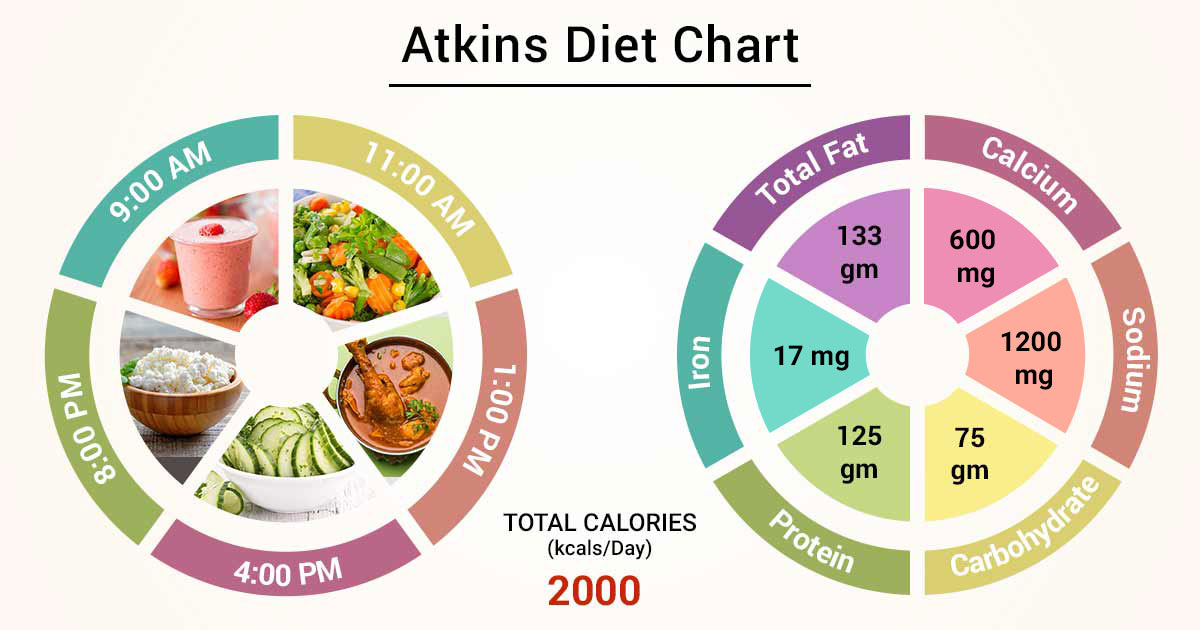 www.lybrate.comDiarrhea: Pathophysiology, Treatment, And Management
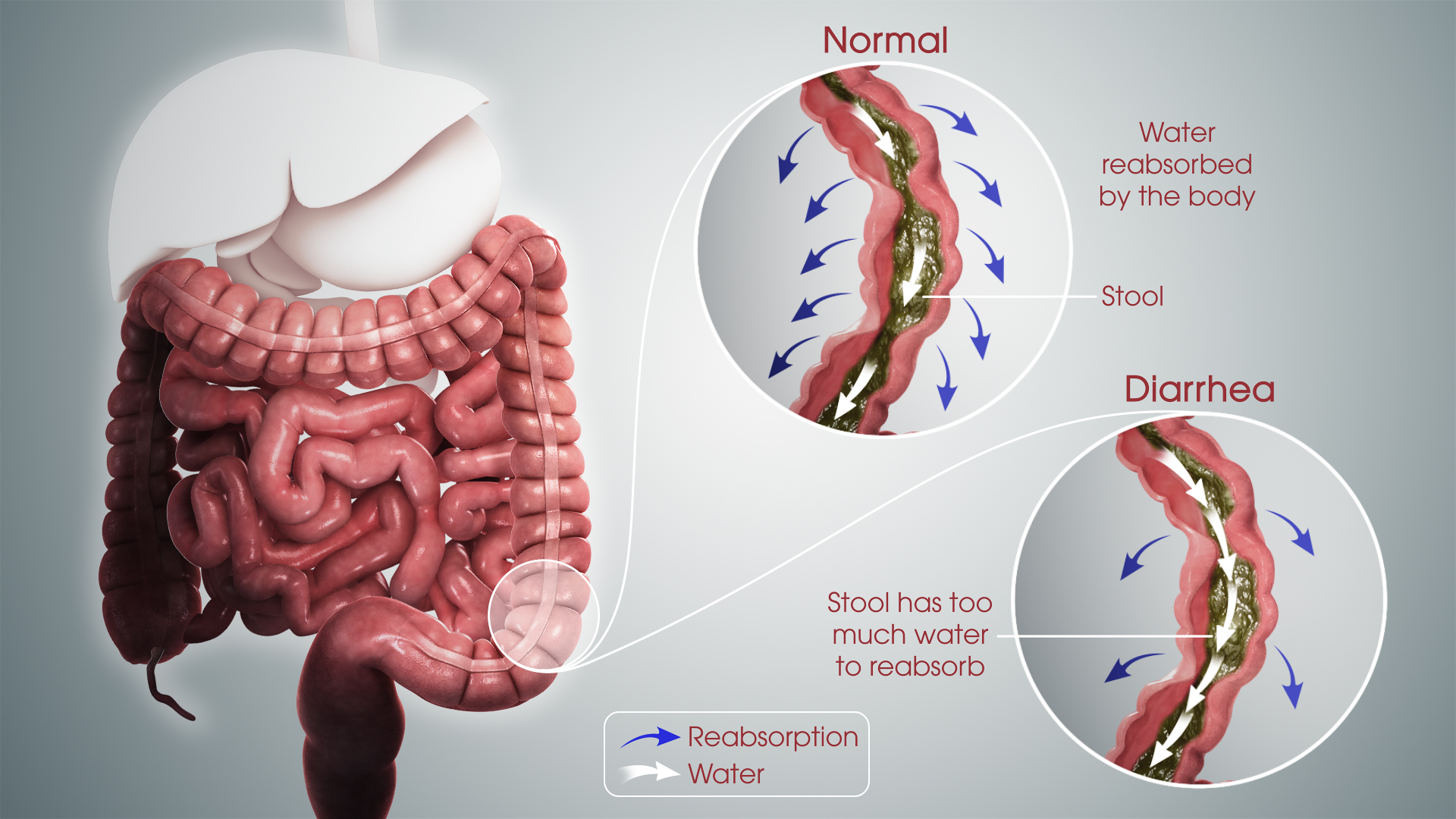 www.scientificanimations.comdiarrhea pathophysiology treatment secretory definition management
Chronic diarrhea causes and consequences. Diet chart for atkins patient, atkins diet chart. Diarrhea causes sudden dysentery abdominal watery poisoning acute cramps bowel possible verywell gilmartin brianna illustration bacteria consequences intolerance bloating verywellhealth